

Good Grandparent Names Start With a Question Nobody Thinks to Ask
The baby is on the way, the nursery is painted, and somewhere in the middle of all that planning, someone turns to the soon-to-be grandmother and says, "So what do you want to be called?" Most people have never thought about it once in their lives. Then suddenly it's the only thing that matters.
Choosing good grandparent names is more personal than it sounds. The name you pick will be said out loud thousands of times, stitched into birthday cards, hollered across backyards, and — if your family is anything like most — eventually carved into something and hung on a wall. It deserves a little thought.
This guide covers where the most common grandparent names came from, a handful of options you may not have considered, and some honest advice for figuring out which one actually fits your personality. No pressure. Just information.

Where Grandparent Names Actually Come From
The word "grandmother" has been in English since at least the 1400s, borrowed from Old French grand-mère, which simply meant "great mother." "Grandfather" followed the same path. For centuries, that was mostly it — formal language for formal occasions, with regional variations filling in the gaps at home.
"Granny" showed up in English writing by the 1660s, probably as a natural shortening. "Nana" appears to derive from a child's early attempt at "nanna," itself a nursery form of "nan," meaning nurse or caretaker. "Papa" for grandfather is older than most people realize — it appears in French records from the 1500s and spread through Europe as a term of warm address for older men generally.
"Mimi" and "Gigi" are largely 20th-century American inventions, born from the same place most grandparent names are born: a toddler mispronouncing something and the family deciding the mistake was better than the original. "Bubba" as a grandfather name in the South started the same way — a child reaching for "Grandpa" and landing somewhere else entirely.
The tradition of grandparent nicknames is older than most families realize, and it has always been less about formality and more about what sticks.
The Most Popular Grandparent Names — and What They Say About You
There are patterns. The name a grandparent chooses tends to reflect something real about how they see themselves in the role.
- Grandma / Grandpa — Classic. Unpretentious. These grandparents are not trying to be cool; they are simply present, reliable, and comfortable in their own skin. There is nothing wrong with this. It is, in fact, a quiet kind of confidence.
- Nana / Papa — The most common pairing in the American South and Midwest. Warm, easy to say, works across every age from two to forty-two. If you pick Nana, you are in good company with roughly a third of American grandmothers.
- Grammy / Grampy — A little softer, a little more playful. Usually chosen by grandparents who want something familiar but not quite as traditional as Grandma.
- Mimi / Gigi — These tend to go to grandmothers who were not entirely ready to be grandmothers. That is not a criticism. They often turn out to be the most fun ones at the table.
- Poppy / Pops — Grandfather names with a breezy, good-natured energy. Common in families where the grandfather is more likely to be found throwing a football than sitting in a rocking chair.
- Lolly / Bebe / Coco — Invented names, usually. Either the grandparent chose something entirely their own, or a child said something strange once and it never left.
None of these is wrong. The only grandparent name that doesn't work is one the grandparent genuinely resents — children pick up on that faster than adults expect.
◆ From the Workshop: When you're finishing with an oil-varnish blend and the rag feels like it's dragging instead of gliding, the finish is flashing off too fast — usually because the shop is too warm or there's a draft. The fix isn't more finish; it's wiping the surface with a clean rag barely dampened with mineral spirits to buy yourself another minute of open time. Old finishers called it 'chasing the wet edge,' and knowing when to chase versus when to let it go is the whole game with wiping finishes.
Frequently Asked Questions
Can a grandparent change their name after the grandkids have already started using one?
It happens, but the window is narrow. Most family language specialists say the name locks in somewhere around age three, when the child's version of the word becomes the family's permanent record. Before that point, a gentle redirect works fine — just use the preferred name consistently yourself and ask parents to do the same. After the name is set, most grandparents find it's easier to make peace with 'Gumpy' than to fight it.
What do grandparents go by in other cultures — and are any of those names catching on in the U.S.?
Several are. 'Lola' and 'Lolo' (Filipino for grandmother and grandfather) have spread well beyond Filipino-American families because they're short, warm, and easy for toddlers to say. 'Yia Yia' from Greek is another one that travels. 'Saba' and 'Savta' from Hebrew have shown up in communities with no Israeli connection at all. The crossover usually happens when a family hears the word, loves the sound, and just decides to use it — which is exactly how most grandparent names get chosen anyway.
Is there any research on whether grandparent names affect how close grandkids feel to them?
There's no direct study on name choice and closeness, but research on grandparent-grandchild relationships consistently shows that proximity, frequency of contact, and the grandparent's own enthusiasm are the strongest predictors of bond strength. The name is a signal of that enthusiasm — a grandparent who put thought into what they wanted to be called is usually a grandparent who's planning to show up. That said, a kid who adores their grandparent will make any name sound like the best word in the language.

Regional and Cultural Grandparent Names Worth Knowing
American grandparent names look remarkably different depending on where the family came from. A few worth knowing:
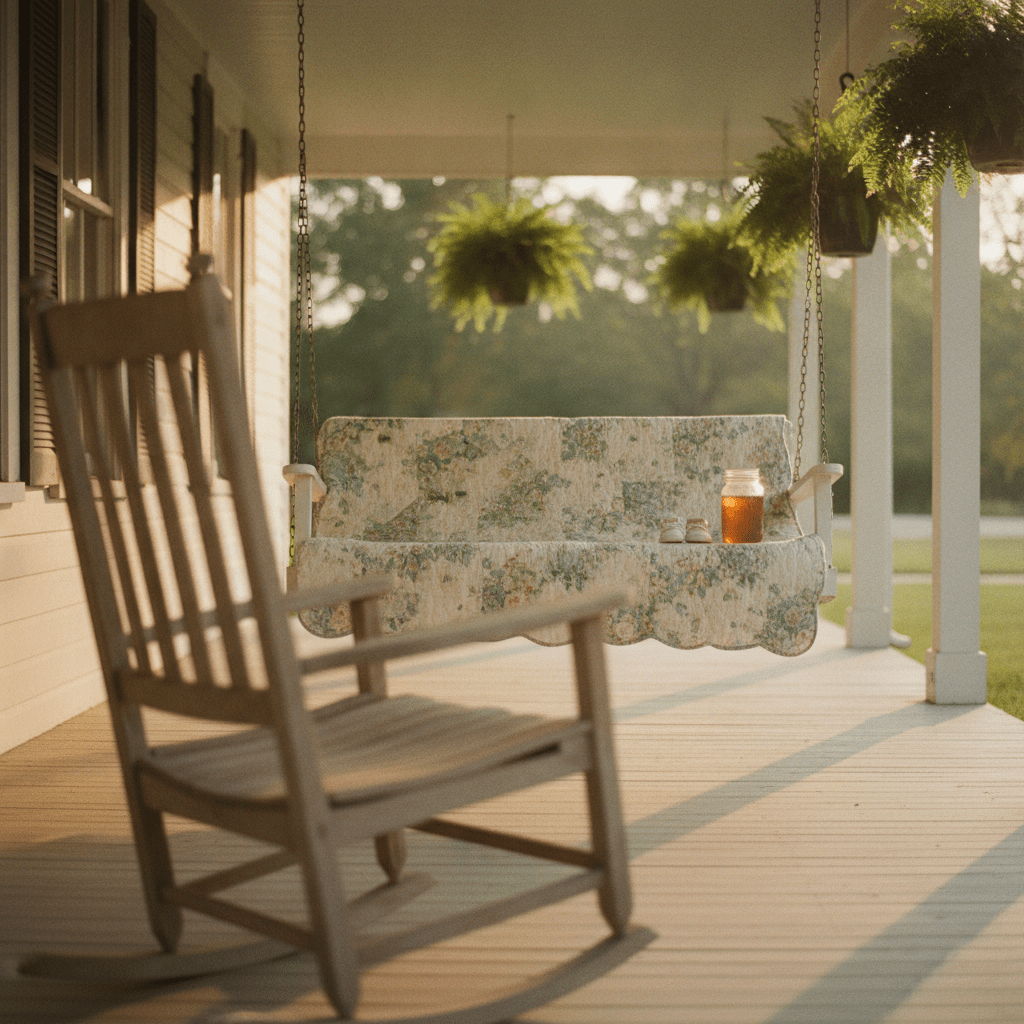
- Mamaw / Papaw — Deep roots in Appalachia and the rural South. If you grew up in eastern Kentucky or West Virginia, you probably had one. The name carries a specific kind of weight — front porches, screen doors, the smell of something cooking that you can't quite name but will remember forever.
- Mémère / Pépère — French-Canadian in origin, common in Louisiana Cajun families and in New England communities with French-Canadian roots. Pronounced roughly "may-mair" and "pay-pair."
- Oma / Opa — German and Dutch, but used widely in American families with no German connection at all because they are short, distinctive, and easy for small children to say clearly.
- Yia Yia / Papou — Greek. Both have traveled well outside Greek-American families for the same reason Oma and Opa have.
- Abuela / Abuelo — Spanish, obviously, but increasingly used in mixed-heritage families as a deliberate way of honoring one side of the family's background.
Choosing a name from your family's heritage is one of the quieter ways to pass something down. The grandchild who grows up saying "Oma" knows, on some level, that there is a story behind that word — and one day they will ask about it.
How to Actually Choose — A Practical Framework
If you are staring at a list of options and none of them feel quite right, here is a more useful way to think about it.
First, say it out loud in a sentence. Not in your head — out loud. "Go ask Mimi." "Poppy's on the phone." "Did Nana send a card?" The name that sounds natural in ordinary conversation is usually the right one. The name that makes you wince a little is probably not.
Second, think about what you want the name to carry. Some grandparent names are warm and soft. Some are sturdy and plain. Some are a little silly. The name sets a tone, and the tone tends to stick. A grandmother named "Gigi" is expected to show up in good shoes. A grandmother named "Mamaw" is expected to know how to make biscuits. Neither expectation is fair, but both are real.
Third, consider the child. A name with four syllables is going to get shortened. A name with a tricky consonant cluster is going to get mangled. If you want the name to survive contact with a two-year-old, keep it to one or two syllables and front-load the sound — starting with a strong consonant helps little mouths find the word.
And fourth — and this is the honest one — accept that you might not get to choose. The grandchild may decide for you. Some of the best grandparent names in family history were accidents. The grandmother who became "Gaga" because her granddaughter couldn't say "Grandma" and the name predated the pop star by thirty years. The grandfather who became "Boppa" for reasons no one can fully reconstruct. These names have a charm that chosen names sometimes don't, because they came from love trying to find a word and landing somewhere unexpected.
Our piece on why family-themed decor hits different gets at this same idea — the things that stick in a family are rarely the ones that were planned.
Making the Name Official
Once the name is chosen — or assigned by a toddler with strong opinions — a lot of families want to mark it somehow. Put it somewhere permanent. A sign on the back porch. Something in the kitchen. A piece of solid wood with the name carved into it that will outlast the grandparent and the grandchild both, and probably get passed down to someone who will wonder where it came from.
That instinct makes sense. The name is the beginning of a relationship that will define both people in it. It deserves to be treated like it matters — because it does.
If the grandmother in your family has a name worth celebrating, a carved solid-wood grandma sign is the kind of thing that says it out loud every single day without anyone having to. And if you want to browse what that looks like across a range of styles, the grandparent signs collection is where we keep everything we make for the people who earned the title.
Whatever name lands in your family — inherited, chosen, or accidentally invented by a child who couldn't get their mouth around the real word — wear it. It is one of the better things a person gets called.
From the workshop: once the name sticks, put it on his glass — Pappy's Pour is our engraved whiskey glass with "RESERVED FOR [his name]" on the back, whatever the grandkids ended up calling him.
Share:
How to Know If You're a Cats Person: A Completely Honest Field Guide | Bluegrass Gifts
Toilet Paper Invented When? The Surprisingly Long History of the Outhouse | Bluegrass Gifts