

Silly Marriage Advice That Actually Works: How Couples Who Like Each Other Set Up Their Bedroom
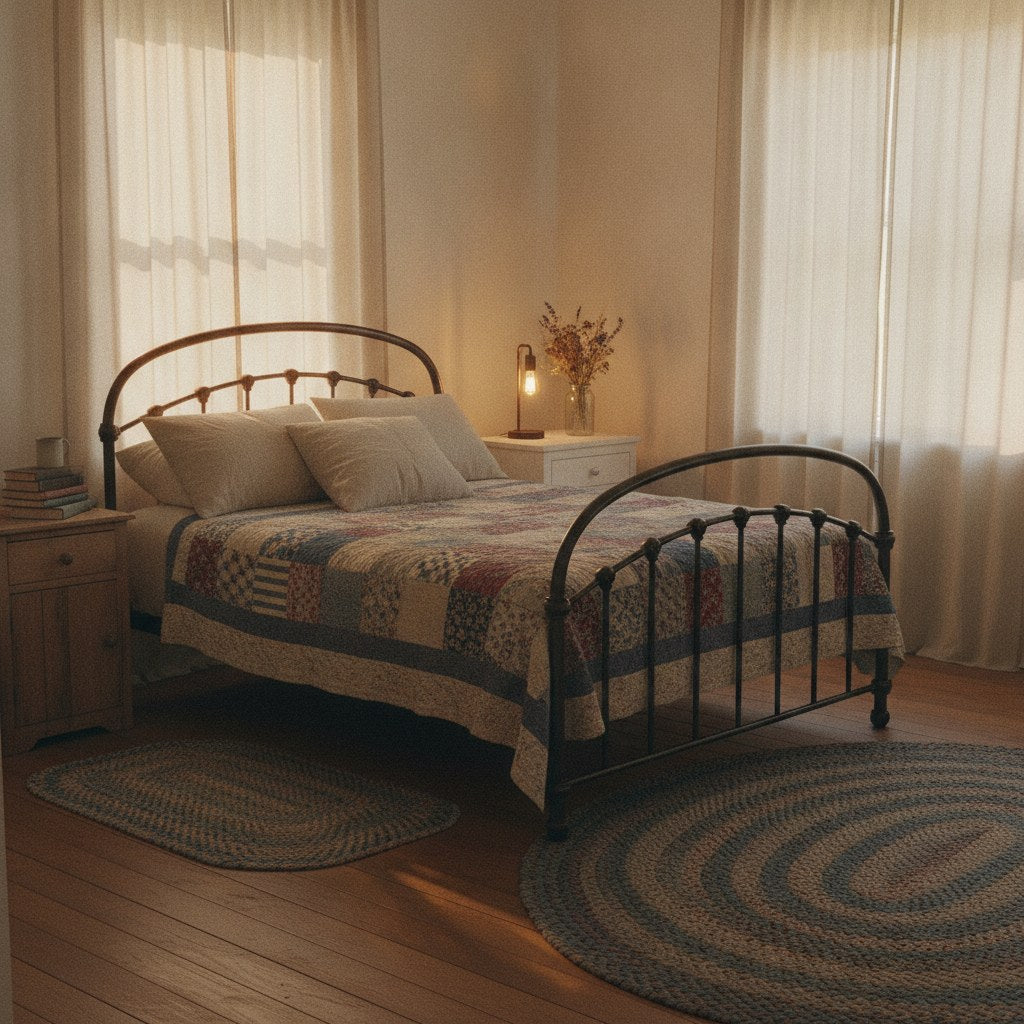
You have been in the bedroom of a couple who genuinely likes each other. You may not have been able to say exactly why, but the room felt different — settled, a little personal, like it belonged to two specific people rather than a hotel that gave up halfway through decorating. The best silly marriage advice tends to come from noticing those rooms and reverse-engineering what was actually going on in them. Turns out, it has very little to do with matching furniture sets and quite a lot to do with a handful of small, deliberate choices most couples never think to make on purpose.

The Marriage Advice Nobody Writes in a Card: Make the Room Yours, Not Generic
Most bedrooms are decorated by default. You buy a bed frame, throw a comforter on it, hang nothing on the walls, and call it done. The result is a room that looks like every other room, which means it feels like no one's room. Happy couples — the ones who have been together long enough to have real opinions about each other — tend to have bedrooms that are visibly theirs.
That means something on the wall that refers to the two of them specifically. A date. An inside joke. A line from a song that was playing when something important happened. It does not have to be precious about it. In fact, the best ones are a little funny. A carved hardwood nap-themed sign on the wall communicates something true about your life together — and true tends to land better than sentimental every time.
The point is that the room should answer the question: who lives here? If the answer is "unclear," that is worth fixing. Not because of some decorating rule, but because the room you fall asleep in and wake up in is doing quiet work on your mood all day long.
Good Marriage Advice Sounds Like: Stop Negotiating the Thermostat at 11 p.m.
This is where most couples lose fifteen minutes of sleep every single night without ever counting the cost. One person is too warm. One person is too cold. Neither of them is wrong. They are just two different metabolisms sharing a bed, and the thermostat is not going to make both of them happy at the same time.
The actual fix is layering, not temperature. Here is what works:
- A medium-weight base layer that works for the warmer partner
- A separate blanket on the cooler partner's side — the so-called Scandinavian sleep method, where each person has their own duvet
- A ceiling fan on low, which moves air without dropping the room temperature dramatically
- Wool or bamboo bedding rather than synthetic, since natural fibers regulate temperature instead of trapping it
The Scandinavian duvet approach, by the way, has been quietly popular in northern Europe for generations. It looks a little unconventional made up in the morning, but couples who try it tend to report sleeping better within a week. Sometimes the best marriage advice is just: stop sharing a blanket with someone who runs at a different temperature than you do.
◆ From the Workshop: When you're working with freshly milled lumber, set the board on two level supports and leave it overnight before you do any layout — wood that looks flat off the saw will often move a surprising amount in the first 24 hours as the surface tension equalizes with the shop air. Old furniture makers called it 'letting the board speak,' and they never trusted a fresh-cut plank until it had a chance to say its piece. The board that's still flat in the morning is the one worth building from.
Frequently Asked Questions
What side of the bed should each partner sleep on?
There's no universal right answer, but research from sleep scientists suggests the partner who runs warmer should sleep closest to the window or exterior wall, since they tend to wake more easily from temperature changes. More practically: whoever gets up earliest should sleep on the side closest to the door, so they're not climbing over anyone at 5 a.m. Most couples figure this out by accident in the first week and then defend their side for the rest of their lives.
How do you handle wildly different sleep schedules without it becoming a source of tension?
Sleep therapists call this 'sleep schedule misalignment,' and it's more common than most couples admit. The practical fix isn't matching schedules — it's reducing friction at the handoff. A dim reading lamp with a warm bulb (2700K or lower) on the night owl's side, a white noise machine that benefits both partners, and a firm rule that the early riser gets dressed in the bathroom all go a long way. The goal isn't synchronized bedtimes; it's making sure neither person feels like an inconvenience.
Does bedroom decor actually affect relationship satisfaction, or is that just something home magazines say?
There's legitimate environmental psychology behind it. Studies on 'cognitive priming' show that the visual cues in a space influence mood and behavior before you're consciously aware of them. A bedroom that feels chaotic or impersonal tends to prime stress rather than rest. Couples who treat their bedroom as a shared, intentional space — rather than a default dumping ground — report higher satisfaction with the room itself, and that tends to spill over. It's not magic; it's just that the environment you fall asleep in and wake up in carries weight.

The Small Things That Carry More Weight Than You Think
There is a version of marriage advice that focuses on the big gestures — the anniversary trips, the grand apologies, the dramatic reconciliations. That version is not wrong, exactly. It just ignores the fact that most of a marriage happens in the ordinary moments, and the bedroom is where a lot of those ordinary moments live.
A few specific things that show up consistently in bedrooms belonging to couples who are clearly still choosing each other:
- A dedicated spot for each person's nightstand items — phone, book, water glass — so neither person is rooting around in the dark at midnight
- Blackout curtains, not because they are trendy, but because sleep quality is genuinely one of the most underrated variables in how kind you are to the person next to you
- At least one thing in the room that makes both of you laugh — a sign, a photo, something that reminds you that this whole arrangement is supposed to be fun
- A no-phones-in-bed rule, or at least a no-phones-after-ten-thirty rule, which is easier to keep when the phone charger is across the room instead of on the nightstand
None of these are revolutionary. That is the point. The couples who have been together a long time and still seem to genuinely enjoy each other are usually not doing anything dramatic. They are just doing small things consistently, and the bedroom is where you can see the evidence of that.
We wrote about how couples get to fifty years mostly by laughing at themselves — that one is on the blog if you want a longer read on it. The short version: the couples who make it tend to have a running sense of humor about the whole enterprise, and that humor shows up in their spaces.
What the Bedroom Wall Is Actually Saying
Blank walls are not neutral. They just say "we have not thought about this room yet." That is fine for a first apartment. It gets a little strange after a decade together.
The wall above the bed, specifically, is one of the most looked-at surfaces in any home. You see it first thing in the morning. You see it last thing at night. What is on it — or what is not on it — sets a tone whether you intend it to or not. This is the practical core of what sounds like silly marriage advice: put something on that wall that means something to both of you.
It does not have to be elaborate. A single piece of wood with a date carved into it. A line that has become shorthand between the two of you. Something that would make a stranger ask what the story is. The couples who have those pieces on their walls tend to be the same ones who can still tell the story behind them twenty years later, which is its own kind of good sign.
If you are looking for a place to start, the bedroom signs collection has the kind of pieces that say something real without taking themselves too seriously — carved in hardwood, made to last, the sort of thing that earns its place on the wall rather than just filling space.
There is also something worth reading about how to actually put one of these displays together — creating a romantic anniversary display in the bedroom covers the practical side of arrangement and placement if you want the room to look intentional rather than accidental.
The Part Where the Silly Marriage Advice Turns Out to Be Serious
Here is the thing about all of this. The thermostat negotiation, the wall above the bed, the separate blankets, the phone charger across the room — none of it sounds like marriage advice. It sounds like interior decorating and sleep hygiene. But the couples who handle those small frictions well tend to handle the larger ones better too. Not because fixing your nightstand situation fixes your marriage, but because the habit of paying attention to the small things is the same habit that keeps a relationship from going stale.
The bedroom is the room where you are most yourselves. No company, no performance, no keeping up appearances. Just two people who made a decision about each other and are now sharing a space. Making that space feel like it was chosen — like both of you thought about it and put something of yourselves into it — is not a small thing dressed up as a small thing. It is actually the point. And that might be the least silly piece of marriage advice in this whole piece.
Share:
What Makes a Good Manager: The Research Behind Why Some Bosses Build You Up and Others Make You Quit | Bluegrass Gifts
Signature Cocktail Ideas: Why Every Great Party Needs One Drink That's Yours | Bluegrass Gifts